
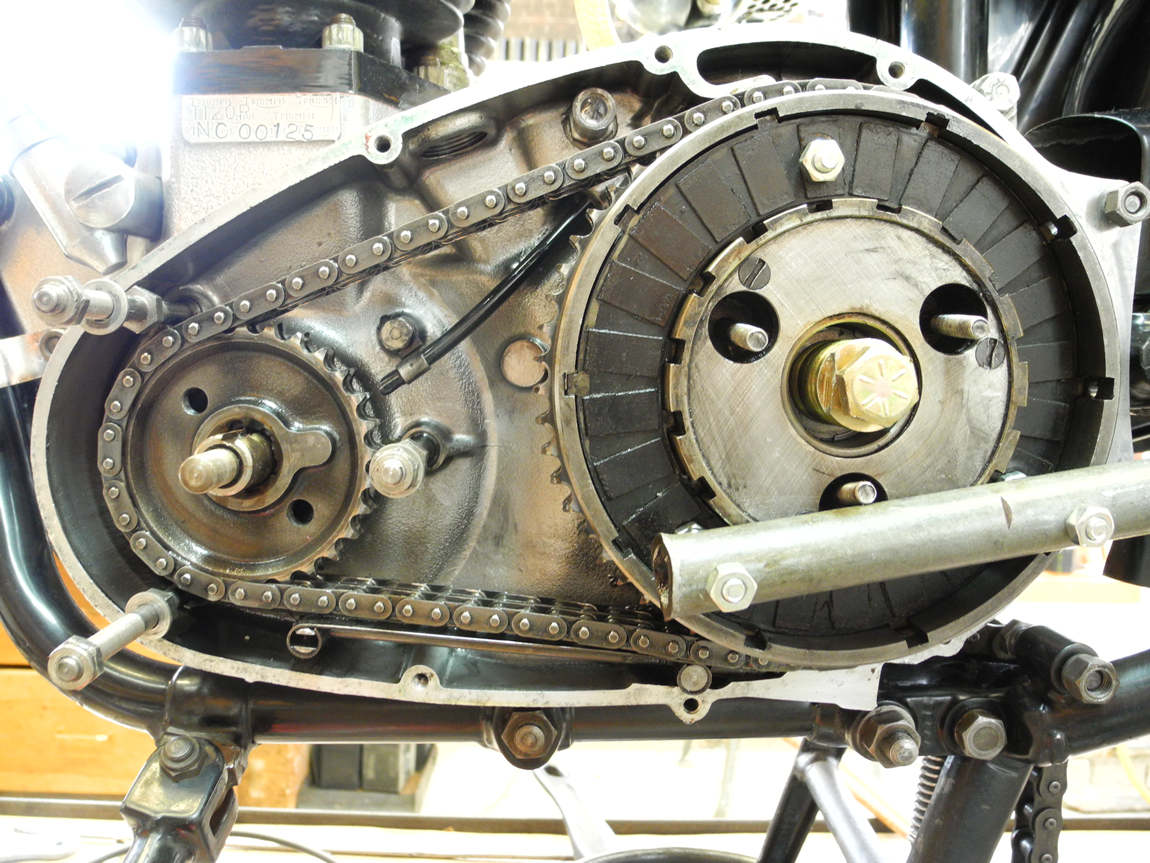
Below left photo shows a newly installed primary chain in 2015.
Below right is the same chain two years and 11,000 miles later. It is beyond being in need of replacement. Running a worn chain invites wear on expensive engine sprocket and duplex chain wheel.
I change engine oil and primary chain case oil (30w Non-Detergent) at the same time: every 1,000 miles.
Chain tension - not slack, not tight. If you play with it when the primary cover's off you might agree that the adjustment is basically just one click away from too loose and too tight. So right in the middle.
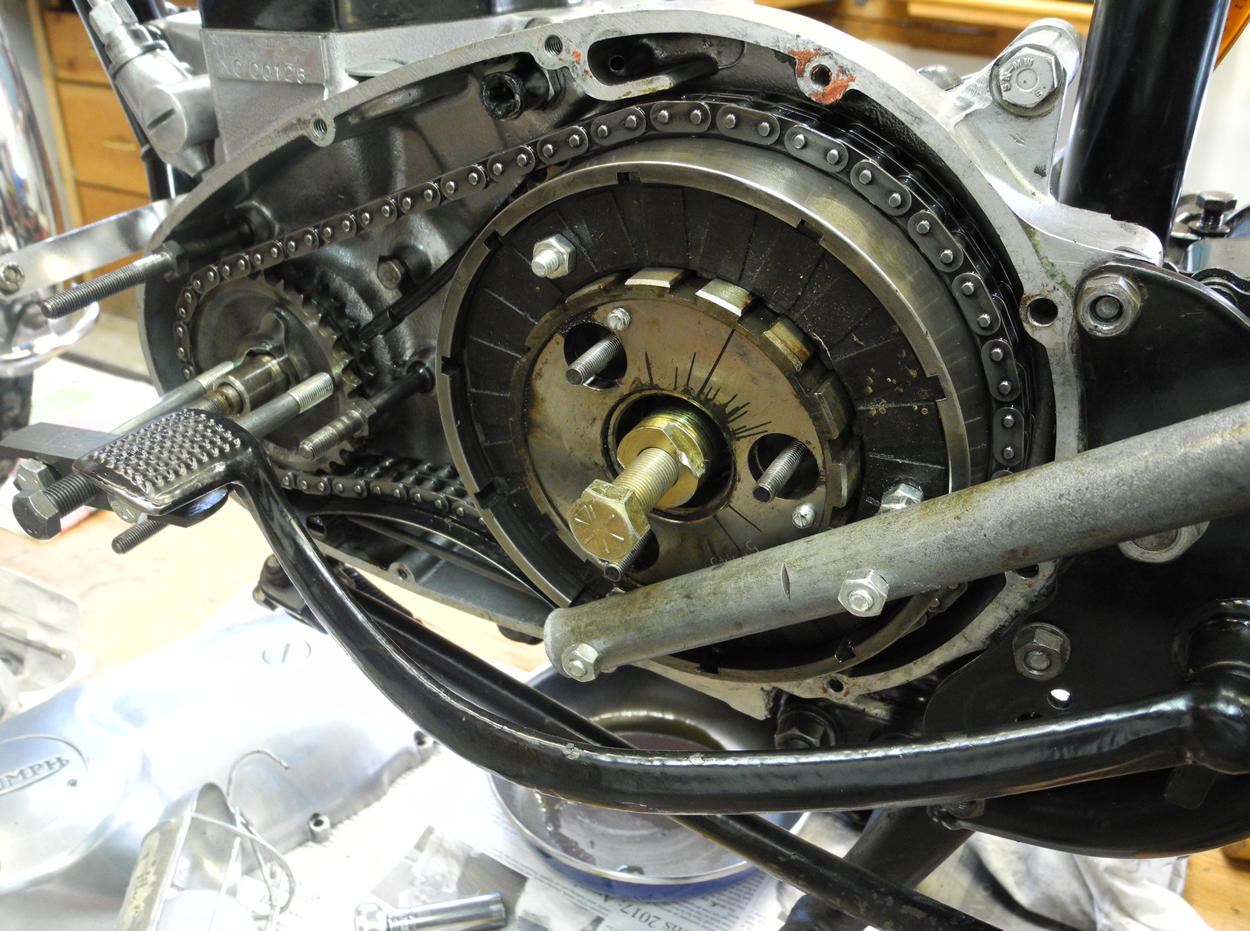
In the bottom photo an ever-so-useful homemade clutch locking tool was used to immobilize the clutch hub in order to remove clutch nut 21-0586 (self-locking). Removing the clutch nut is greatly facilitated by an air wrench on low strength setting.
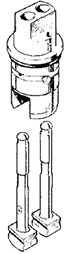
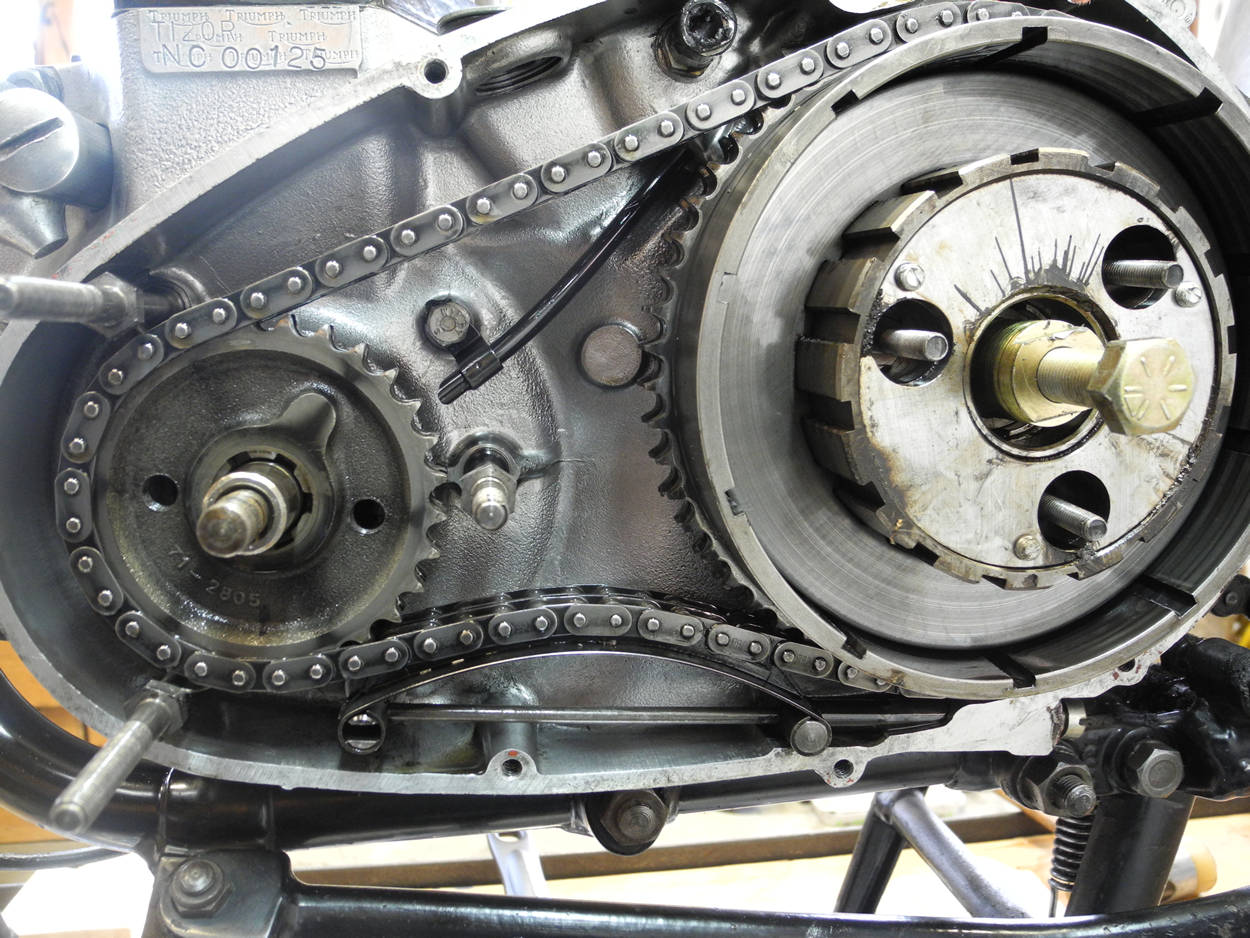
Shown threaded into the clutch hub in the photo below is special tool D662/3a Clutch Hub Extractor. Before you begin your very own clutch hub extractor scrap metal collection, it is important to understand that this tool is an extractor and not a puller. Used as a puller, the sparse number of its threads engaging with the clutch hub will strip nearly immediately. Ask me how I know.
The correct use is to thread the tool into the hub and then tighten the bolt just enough to create expansive tension between the clutch hub and the mainshaft. Next, the extractor's bolt head is struck with something like a deadshot hammer in order to shock the hub loose from it's tapered fit on the end of the mainshaft.